Wooden Toy for Brain Development
Interhemispheric boards
Our brain is divided into two hemispheres, each with its own unique functions. The left hemisphere is responsible for logical thinking and performs various mental operations, while the right hemisphere handles our imaginative thinking, creativity, and imagination. The development of connections between the two hemispheres of the brain plays a significant role in a child's academic success at school and overall success in life. Scientists attach particular importance to the period from 3 to 8 years of age.
The interhemispheric boards are a mechanical simulator that features patterns of varying complexity designed for both hands.
The set includes:
- A stand for boards
- 6 mazes - two with the same pattern and four with different patterns.
- 2 boards for spirographs and 4 wheels for spirographs
- 2 boards for colored circles
- 40 circles in 4 colors and a linnen bag for them
- 4 finger tracks
- 2 sticks
- 2 balls with spouts
Start with a simple spiral pattern and place the boards at the same angle. You can swipe along the paths of the maze with a stylus or a ball with a spout. Or put a piece of paper between the frames and circle it with a pencil or felt-tip pen.
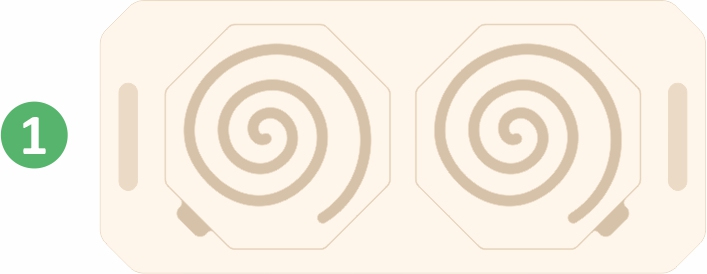
The exercise is performed by one (leading) hand clockwise, and then with the same hand – counterclockwise.
Then go through the maze with the other hand.
Try to go through the maze synchronously with two hands, first clockwise, and then counterclockwise.
And now run the maze with both hands at the same time, but in a different direction.

Invert one of the mazes in a mirror and repeat the exercises.
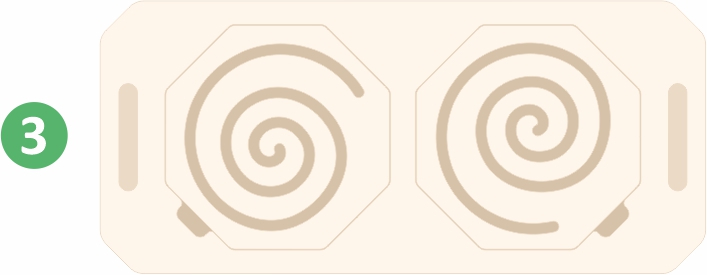
Due to its shape, the boards can be rotated 45 degrees, in 8 different positions. By changing the position of the maze, each time you get a new exercise.
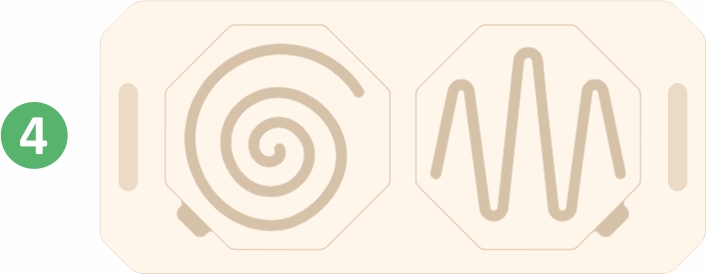
Replace one of the spirals with a new maze.
Combine different mazes. The more angles there are in the pattern, the more difficult the exercise is considered.


Working with spirographs.
Take a piece of paper and practice drawing spirals with a spirograph. Hold the frame with one hand, and use a pencil to rotate the small wheel inside the frame.

You may take a look what patterns can be made with different wheels:
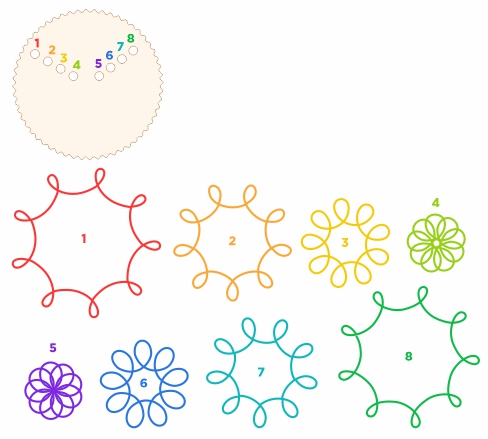

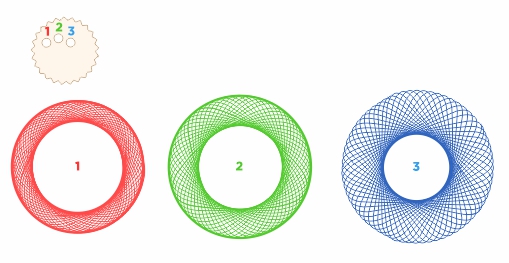
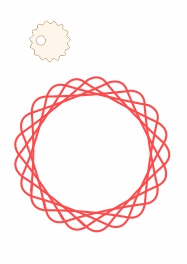
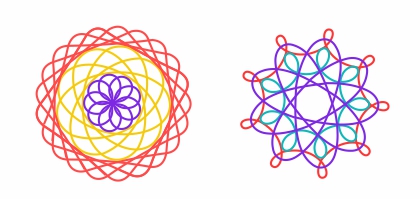
Insert a piece of paper between the frames and use two wheels at the same time.

Create amazing ornaments and color them.
Games with frames for circles.
Take two frames with round holes and install them in the base.
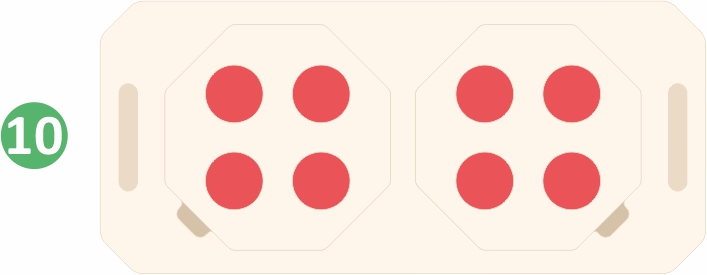
Ask the child to lay out circles of the same color first with one hand, then with the other, then with two hands at the same time.
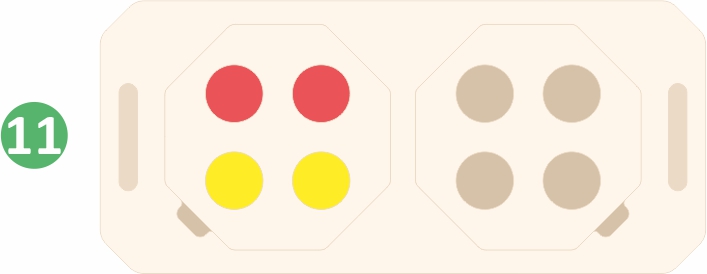
Fill one frame with colored circles and invite your child to fill the second one in the same way.
Gradually complicate the tasks by adding more colors.
To complicate the task, cover the example with a piece of paper and repeat the composition from memory.

At the same time, take the circles in your hands and insert them into the holes so that the left and right sides are the same.
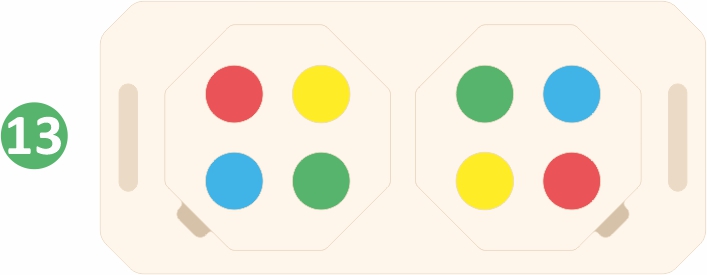
At the same time, take the circles in your hands and insert them into the holes so that the left and right sides turn out to be asymmetric. Take the circles of the same color, but insert them into different cells. Or choose different circles, but put them in the same corners of the frames.
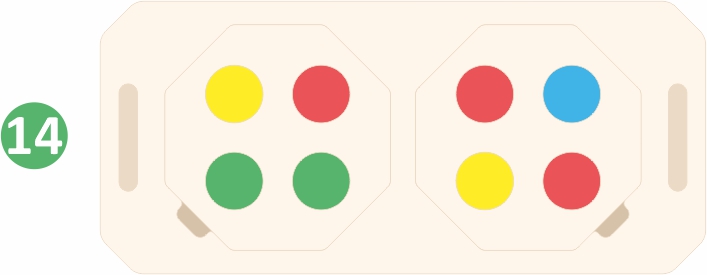
Finger Twister.
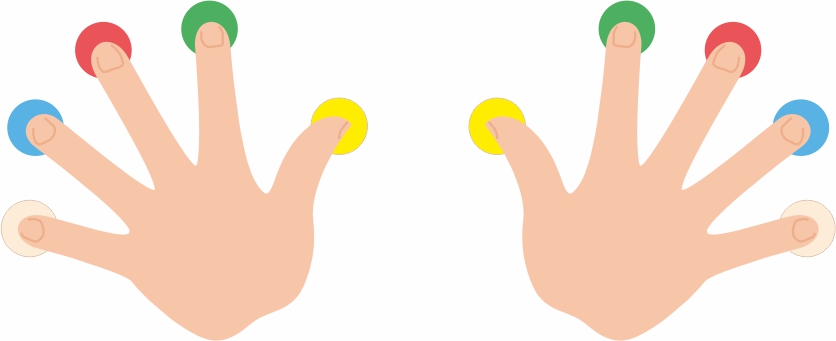
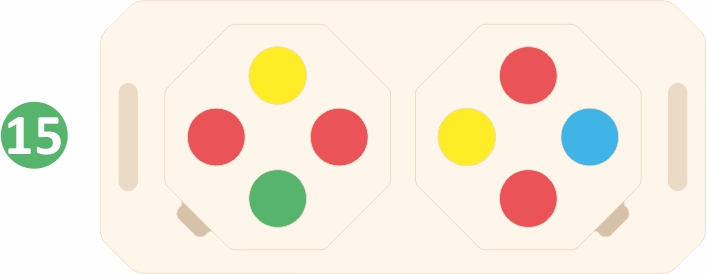
Arrange the combinations of circles in any order on the left and right frames. Press the appropriate fingers on the circles of each color, according to the scheme:

Rotate the frames and repeat the games.
Games with finger walkers.
Fill in the colored frames with circles of the corresponding colors.
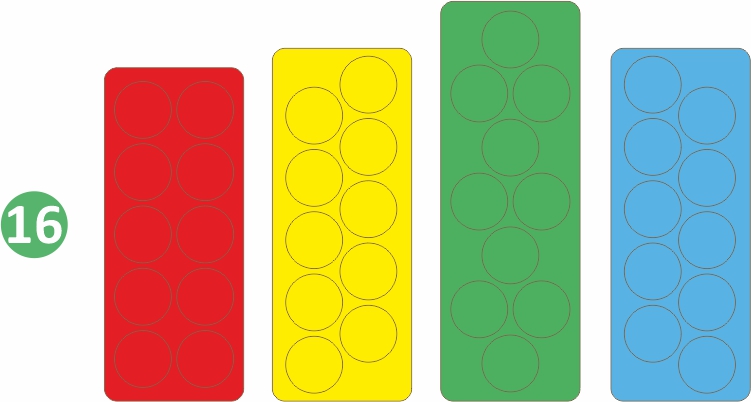
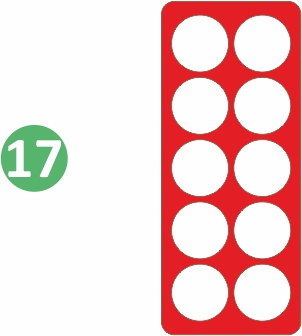
Invite the child to "run" with his fingers along the path with holes. The tasks can be different: run from bottom to top, from top to bottom, from left to right, from right to left, with index and middle fingers, middle and ring fingers, etc.
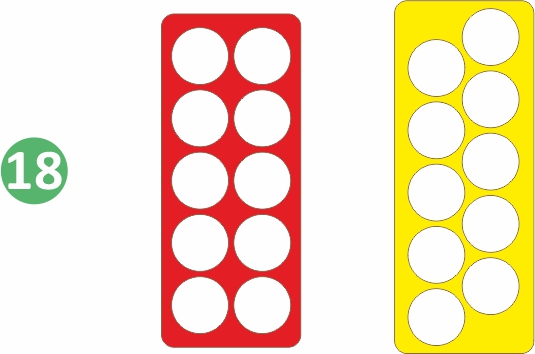
Do these exercises with two hands.

Do these exercises in different directions.
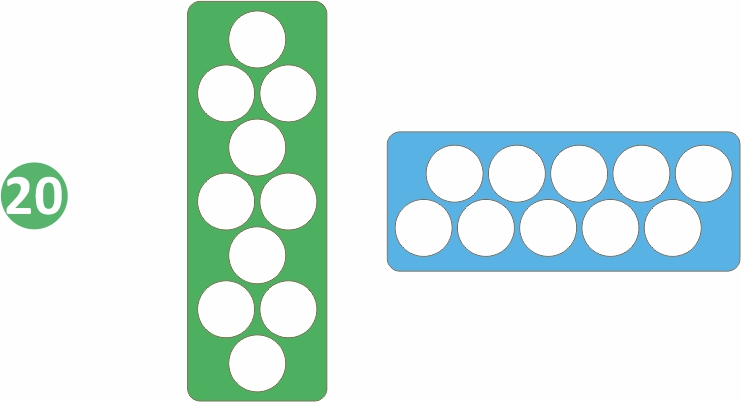
Add options, gradually complicate the tasks.
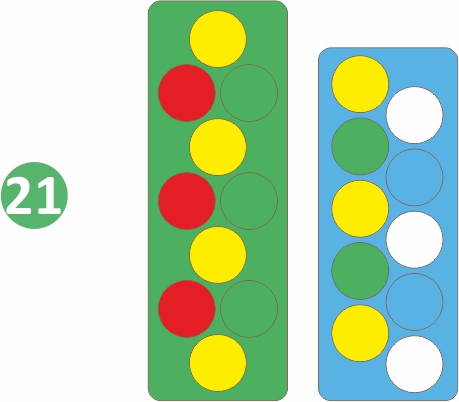
Arrange the colored circles through the holes in the paths, "run" through them by pressing on the colored circles with certain fingers, according to the scheme: